
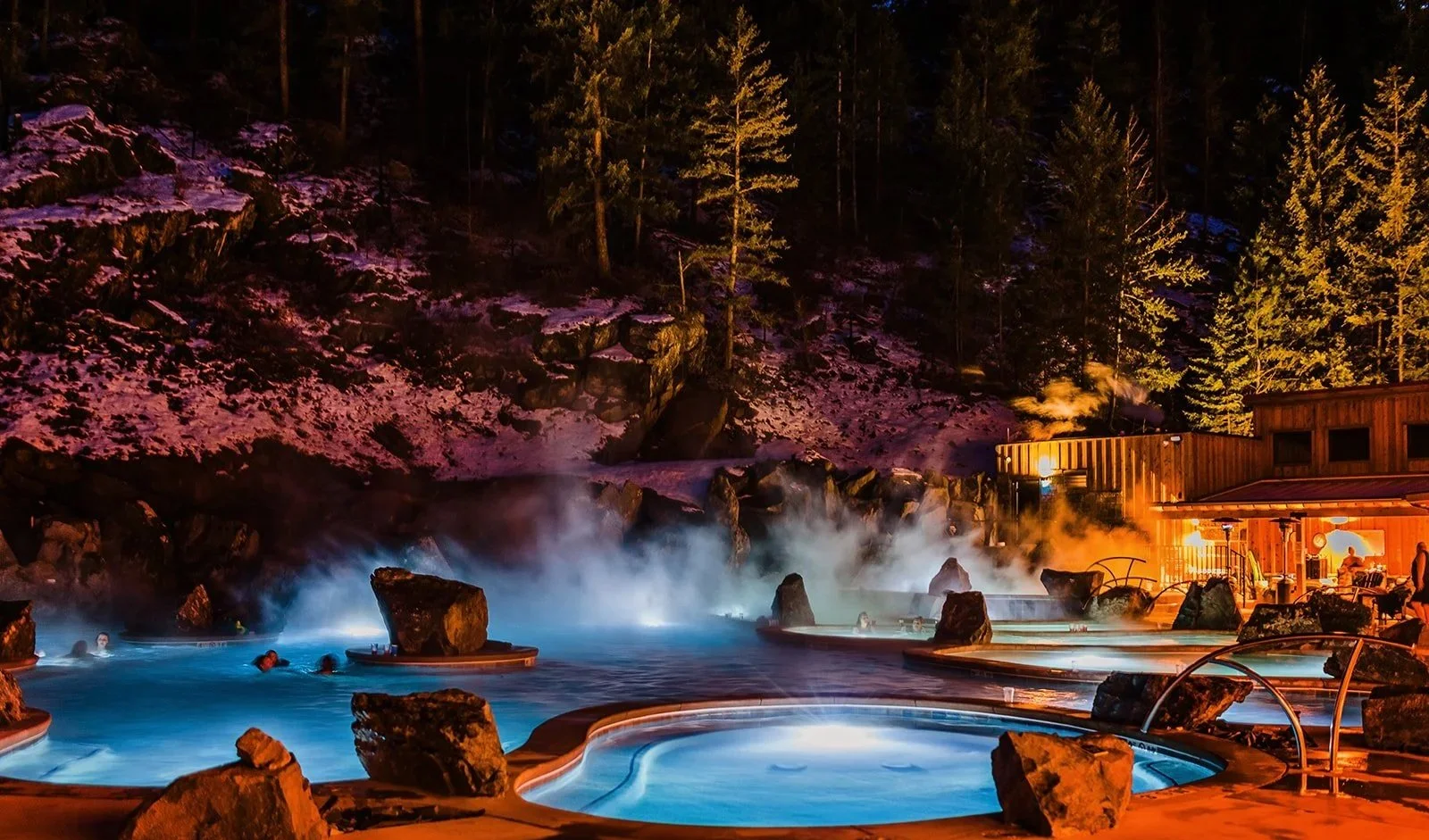

Quinn’s Hot Springs Resort had already grown into more than a simple lodging operation. Moving beyond its legacy booking environment therefore meant thinking about more than rooms.
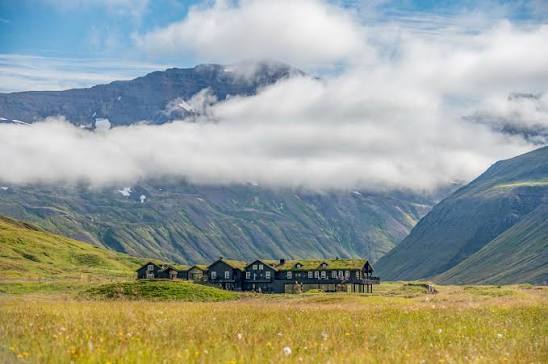
Quinn’s Hot Springs Resort in Paradise, Montana combines two lodges, more than 25 cabins, hot springs pools, day-use swimming, dining, and several different reservation rules around the same resort experience.
Quinn’s engaged Booking Ninjas while looking for a more flexible direction for the reservation technology behind that operation.
The challenge: one resort, several kinds of reservations
A normal hotel booking system can focus mostly on rooms and nights.
Quinn’s has more happening around the stay.
- Lodge room reservations
- Cabin reservations
- Different accommodation types
- Day-use swim reservations
- Timed pool sessions
- Lodging-guest pool access
- Restaurant reservations
- Deposits and payment rules
These experiences do not all follow the same rules.
For example, lodging guests receive pool access as part of their stay, while day-use visitors reserve timed swim sessions in advance.
Lodging itself also spans different room and cabin types, while payments and cancellations follow their own reservation policies.
Why a legacy system can become harder to live with
Older reservation systems can continue doing the job they were originally built to do.
The difficulty appears when the operation grows around them.
New accommodation types, new guest experiences, different capacity rules, changing payment policies, additional reporting needs, and new ways for customers to book can all require more flexibility than the original system was designed to provide.
Quinn’s was looking at that next step.
The goal was not simply to replace an old screen with a newer screen. The more useful direction was to consider a booking foundation that could adapt as the wider resort changed.
Booking Ninjas’ current Booking Engine can work with existing legacy environments through APIs, middleware, or a gradual transition when a full replacement should not happen all at once.
The direction: treat the resort as connected resources, not only rooms
Booking Ninjas gave Quinn’s a way to look at the reservation problem more broadly.
The customer starts with the stay, session, or reservable experience they need.
The system checks the availability and rules that belong to that particular resource.
The booking can carry the guest, dates, resource, rate, and related rules forward.
Deposits, balances, and other payment behavior can stay connected to the reservation.
The same booking data can support availability, guest history, reporting, and later workflows.
The important idea was flexibility: different resources can follow different availability, capacity, timing, and payment rules without requiring the entire resort to behave like one room calendar.
How Booking Ninjas could fit a resort like Quinn’s
| Resort need | Booking Ninjas capability | Why it matters |
|---|---|---|
| Manage lodging reservations | Reservation Management | Rooms, cabins, guest information, booking changes, and reservation status can stay in one booking structure. |
| Give guests a direct booking path | Booking Engine | Availability, rates, booking rules, confirmations, and customer information can connect directly to the wider operation. |
| Handle different accommodation types | Bookable Units + Resource Structure | Different cabins, lodge rooms, and other reservable resources do not have to follow one identical setup. |
| Control real availability | Availability Management | Availability can follow the dates, restrictions, capacity, and rules connected to each resource. |
| Support timed experiences | Resource Scheduling + Capacity Rules | Reservable experiences such as timed sessions can use schedules and capacity instead of overnight-room logic. |
| Keep payments with the booking | Payment Processing | Deposits, balances, transactions, refunds, and related payment activity can stay connected to the reservation. |
| Know the guest across activity | Salesforce Customer Record | Guest information can remain useful beyond one isolated reservation. |
| See the operation clearly | Salesforce Reporting | Booking, availability, occupancy, customer, and payment information can feed a wider operational view. |
The pools show why one booking rule is not enough
Quinn’s offers both lodging-guest pool access and advance day-use swim reservations.
Those are related experiences, but they do not work the same way.
A lodging guest can receive access because they already hold an eligible stay.
A day-use visitor instead chooses from timed swim sessions with separate availability and reservation rules.
That is exactly the kind of difference a flexible operating model needs to understand.
Booking Ninjas’ current availability tools are designed to apply different scheduling boundaries, restrictions, capacity limits, and booking rules around different resources.
Payments also follow the type of reservation
Quinn’s lodging reservations have their own deposit, balance, and cancellation rules.
Day-use swim reservations follow another payment schedule.
That matters in a modernization project because payment logic should stay connected to what the customer actually booked instead of being handled as an unrelated transaction.
Booking Ninjas can connect payment authorization, capture, transaction history, refunds, and booking records inside the wider workflow.
A guest can interact with more than one part of the resort
The same person may stay in a cabin, use the pools, dine at the resort, and return later.
When every reservation lives as an unrelated transaction, the operation loses part of that customer story.
A Salesforce-based environment provides another direction: keep the guest record connected to the bookings and activity that belong to that person.
The Knowledge Center explains that structure in What Is a Customer Record? .
That does not mean every resort experience has to be combined into one giant booking.
It means the business can have a clearer way to understand the relationship between the customer and the different experiences they reserve.
What the engagement demonstrated
We do not have enough evidence to claim that Booking Ninjas replaced Quinn’s legacy system in production or delivered measurable post-launch results.
The useful outcome is therefore the modernization direction demonstrated during the engagement.
The operating model could account for lodging and other reservable resources instead of treating the resort as only a hotel calendar.
Rooms, cabins, and timed experiences could use the availability and capacity logic appropriate to them.
A modern booking layer does not always require every existing system to disappear on the first day.
Deposit and transaction logic could become part of the booking workflow instead of another disconnected process.
A Salesforce-based customer record creates room to connect activity around the same guest over time.
A configurable operating model gives an established property another path when its old technology becomes too rigid.
The resort should not have to become simpler to fit the system
Quinn’s is a useful example of why Booking Ninjas is strongest when several parts of an operation need different rules but still belong to the same business.
A cabin stay is different from a timed swim reservation. A lodging guest can have different pool access from a day visitor. Payments can follow different schedules. Dining has another reservation flow again.
The software should be able to understand those differences.
Booking Ninjas can provide the Salesforce foundation while the resort decides which workflows should connect and which should remain distinct.
Start with booking, then connect the parts of the resort that need it
The starting point can be straightforward: Booking Engine and Reservation Management for the core lodging workflow.
Availability Management can control inventory and restrictions. Resource Scheduling and Capacity Management can support experiences with different timing rules. Payments and customer records can stay connected around the same Salesforce environment.
Additional resort workflows can then be added only when they solve a real operational problem.
That lets modernization happen around the resort rather than forcing the resort into a complete system change before it is ready.
For the wider use case, see the Resort Management solution .
Learn more about modernizing the booking flow
See how availability can follow bookings, restrictions, capacity, and changes across different resources.
How Availability Is Managed →See how the same customer can stay connected to bookings and related operational activity.
What Is a Customer Record? →See how Booking Ninjas can modernize booking rules and availability while working with an existing technology environment.
Explore the Booking Engine →About this story: Quinn’s Hot Springs Resort engaged Booking Ninjas while exploring a move beyond its legacy booking environment. This page describes the modernization needs and operating model considered during that engagement. It does not claim that Booking Ninjas became Quinn’s production reservation system, specify an unverified implementation scope, or report unverified financial or operational results.
Has your operation grown beyond what your old booking system was built to handle?
See how Booking Ninjas can help connect reservations, availability, resources, customers, payments, and reporting without making every part of your operation follow the same rules.


.jpeg)





.jpg)



















.png)