
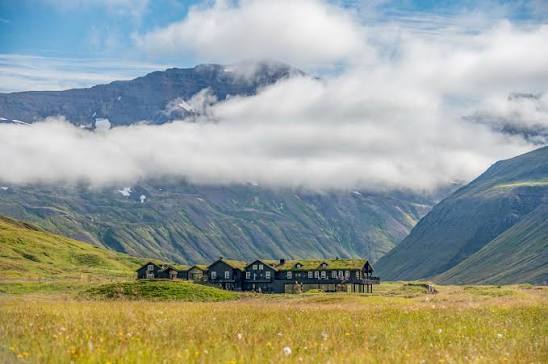

Eleven Experience brings luxury accommodation and guided adventure together. That makes the product memorable for guests, but much harder to fit into ordinary reservation software.
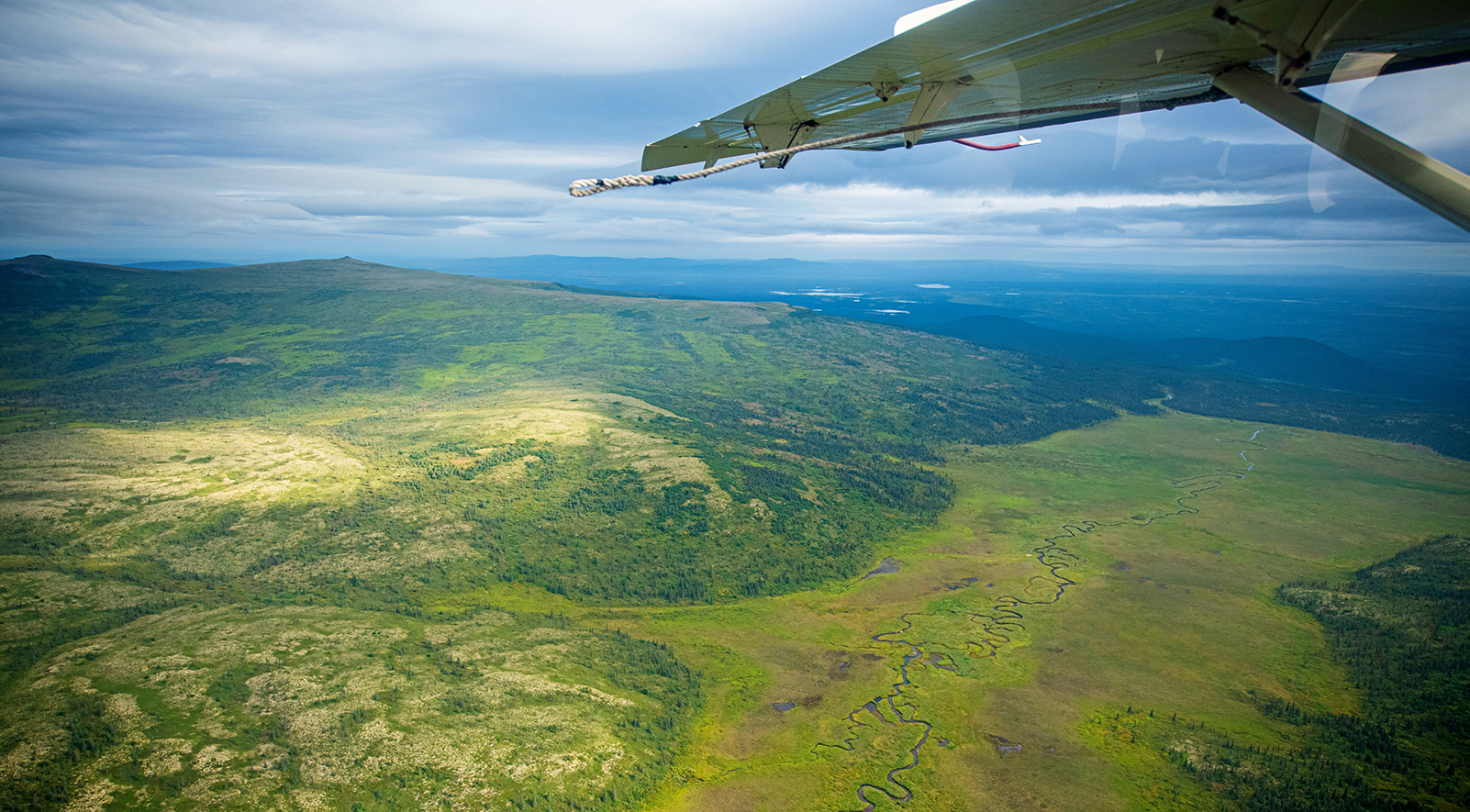
Eleven Experience operates remote luxury lodges and guided adventures across destinations around the world, with experiences built around activities such as skiing, fly fishing, biking, hiking, water sports, and wellness.
Eleven engaged Booking Ninjas to work through the architecture behind that model and turn its complex packaging requirements into a working Salesforce-based system.
The challenge: the product was more than a room
A conventional lodging system usually starts with a simple question: which room is available for which dates?
Eleven's operating model had more moving parts.
The stay could be connected to a destination, property, adventure experience, package structure, guest details, timing, and other operational rules that belonged together.
- Luxury properties
- Adventure experiences
- Multi-part packages
- Guest information
- Dates and schedules
- Package structure
- Operating workflows
- Future stakeholder access
The problem was not that Eleven's business was too complicated.
The problem was finding software flexible enough to represent that business without stripping away the parts that made the product different.
The solution: start with the architecture behind the experience
Booking Ninjas worked with Eleven on the overall system architecture and packaging strategy before turning those ideas into a working environment.
That meant understanding how the different pieces of an Eleven experience related to each other rather than treating every item as a separate reservation.
Start with where the guest experience takes place and the properties connected to it.
Connect the lodging portion of the stay with the wider reservation structure.
Represent the adventures and activities that form part of the trip.
Bring the related pieces together instead of making the team manage unrelated bookings.
Give the team a Salesforce structure for managing the information and next steps around the package.
Booking Ninjas' current Reservation Management uses the same Salesforce-native foundation for keeping reservations, workflows, data, and operational rules connected.
The idea became a working system
This engagement went further than showing Eleven a generic demo.
Booking Ninjas took the requirements, worked through how the packages could be structured, and built a functioning system around that model.
That gave Eleven something tangible to evaluate against the way its business actually worked.
| Eleven needed | Booking Ninjas approach | What the system could represent |
|---|---|---|
| Luxury lodging | Reservation Management | Properties and stays could form the accommodation foundation of the wider guest experience. |
| Adventure experiences | Bookable resources and activities | Adventure components could sit alongside accommodation instead of living in an unrelated process. |
| Complex packages | Custom package architecture | Related lodging and experience components could be structured around the way Eleven packaged its product. |
| Multi-part reservations | Group Booking concepts | Multiple people, resources, dates, or related booking elements could remain connected instead of becoming isolated records. |
| Eleven-specific rules | Salesforce workflows and configuration | The system could follow the company's own operating model instead of forcing a fixed generic booking flow. |
| Room to extend later | Salesforce-native architecture | Future interfaces and workflows could use the same underlying operational structure as requirements evolved. |
A package could remain one experience instead of becoming a pile of records
This is where the architecture mattered most.
A guest may think of the trip as one experience.
Behind that experience, however, the business may need to coordinate accommodation, adventure activities, schedules, resources, guests, and other details.
If every part sits in a different system or unrelated record, staff have to remember how those pieces belong together.
Booking Ninjas worked toward a structure where the related components could remain part of the same wider booking model.
The business did not have to simplify itself to fit the software
Eleven's product is intentionally different from ordinary lodging.
Trying to force that into a rigid hotel reservation model could mean removing useful relationships simply because the software did not understand them.
Booking Ninjas took the opposite approach.
Salesforce supplied the foundation for records, workflows, users, reporting, automation, and future extensions. The implementation work then shaped those pieces around Eleven's operating model.
The Knowledge Center explains that wider foundation in What Is a Salesforce Org?
What the engagement accomplished
We do not have verified post-launch revenue or efficiency metrics for this engagement, so the result should stay focused on what Booking Ninjas actually delivered.
Properties, experiences, packages, and related rules were translated into a software architecture Eleven could evaluate and use.
Booking Ninjas built a working system around the customer-specific model rather than showing only standard product screens.
The architecture was designed to keep related parts of an adventure experience together instead of treating every component as unrelated.
The reservation model could sit with workflows, customer information, automation, reporting, and future extensions in the same environment.
The system was shaped around how the company packaged its experiences instead of asking the company to redesign the product around software limitations.
The same underlying architecture could support additional interfaces and stakeholders if Eleven wanted to extend it later.
The architecture also left room for future stakeholder experiences
During the engagement, Booking Ninjas and Eleven also discussed how the underlying architecture could support additional interfaces in the future.
One example was an Owner Portal.
The idea was that another stakeholder could eventually receive a purpose-built view while still interacting with the same underlying Salesforce environment used for the operation.
That future portal was not the main delivered result of this story, so it should not be presented as a completed production feature for Eleven.
Its importance was architectural: the system did not have to end at the first interface that was built.
Complexity is where a connected platform becomes more useful
A simple booking can be handled by a simple calendar.
Eleven's use case was different.
When a reservation touches properties, experiences, multiple resources, package relationships, schedules, customers, workflows, and future stakeholders, the value shifts from simply taking a booking to keeping the whole structure connected.
Booking Ninjas' current Group Booking capability follows that same principle by keeping multi-person, multi-resource, and multi-day bookings connected inside Salesforce.
Not every Eleven package should be described as a group booking. The useful connection is the ability to model several related booking elements without breaking the wider reservation apart.
Start with the reservation, then build around what the experience actually needs
Eleven Experience is a good example of why Booking Ninjas does not treat every customer as the same booking template.
Reservation Management can provide the core.
Around that core, an operation can add availability, rates, resources, group structures, customer records, portals, billing, reporting, integrations, and custom workflows when the business model requires them.
A straightforward property may need only a few pieces.
A luxury adventure company combining accommodation and experiences may need a much richer architecture.
The platform can start from the same Salesforce foundation while the final setup follows the organization using it.
Learn more about this kind of booking structure
See how reservations, availability, workflows, and operational control can stay connected inside Salesforce.
Explore Reservation Management →See how Booking Ninjas handles bookings involving several people, resources, schedules, or related reservation components.
Explore Group Booking →See how records, workflows, users, reporting, automation, and other operating tools can live in one organization-specific Salesforce environment.
What Is a Salesforce Org? →About this story: Eleven Experience engaged Booking Ninjas to design and build a working system around its complex adventure-packaging requirements. This page describes the work completed during that customer engagement and does not claim that Booking Ninjas became Eleven Experience's long-term production platform or report unverified post-launch financial results.
Have a booking model that ordinary reservation software does not understand?
Show us how your properties, experiences, packages, guests, and workflows actually fit together. Booking Ninjas can help shape the Salesforce environment around that model.


.jpeg)




.jpg)











.png)