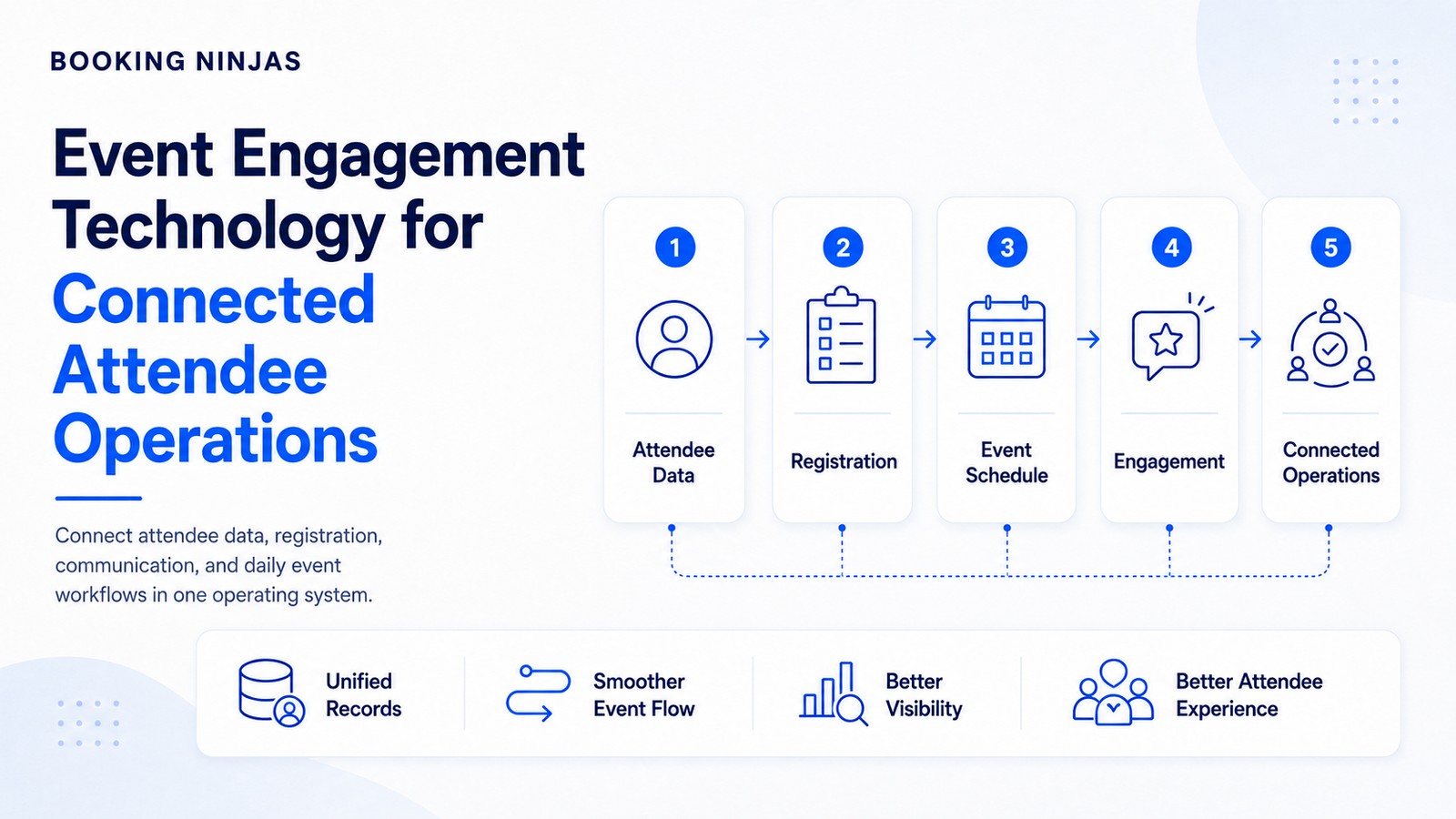
Attendee engagement does not begin when the event starts. It begins when someone registers and continues through reminders, arrival, sessions, services, requests, payments, and post-event follow-up.
Why does event engagement break down?
Many organizers use one tool for registration, another for email, separate spreadsheets for attendee information, and additional systems for venue operations, billing, staffing, or service requests.
The individual tools may work, but the attendee journey becomes fragmented when information does not move with the person from one stage of the event to the next.
- Registration data is separated from CRM records
- Event changes require manual communication
- Attendee requests have no clear ownership
- Payments and registrations are difficult to reconcile
- Venue teams lack useful attendee context
- Post-event follow-up starts from another disconnected list
What should an event engagement system connect?
Connect the attendee to the event, ticket, booking, account, or organization involved.
Use known attendee and event information to support reminders, requirements, payments, and operational preparation.
Keep schedules, requests, services, attendance, and venue activity connected during the event.
Preserve event history so future communication and relationship activity starts with existing context.
What information should stay connected around the attendee?
| Area | Why it matters | Related Booking Ninjas capability |
|---|---|---|
| Registration or reservation | Establishes who is participating, in what event, and under which booking or attendance context. | Reservation Management |
| Capacity and availability | Keeps spaces, sessions, rooms, or other reservable resources aligned with actual capacity. | Availability Management |
| Billing and payments | Connects charges and payments to the event, customer, or reservation that generated them. | Billing & Payment |
| Questions and requests | Gives attendee or organizer issues an owner, status, and follow-up path. | Request Management |
| Operational handoffs | Coordinates predictable actions between event, venue, service, finance, and other teams. | Workflow & Process |
| External engagement tools | Marketing, ticketing, polling, streaming, networking, or communication tools may remain part of the event stack. | Integrations |
How should engagement work before the event?
Pre-event engagement should begin with useful attendee context. Registration status, ticket or booking type, account information, payment status, event schedule, and specific requirements can all influence what needs to happen before arrival.
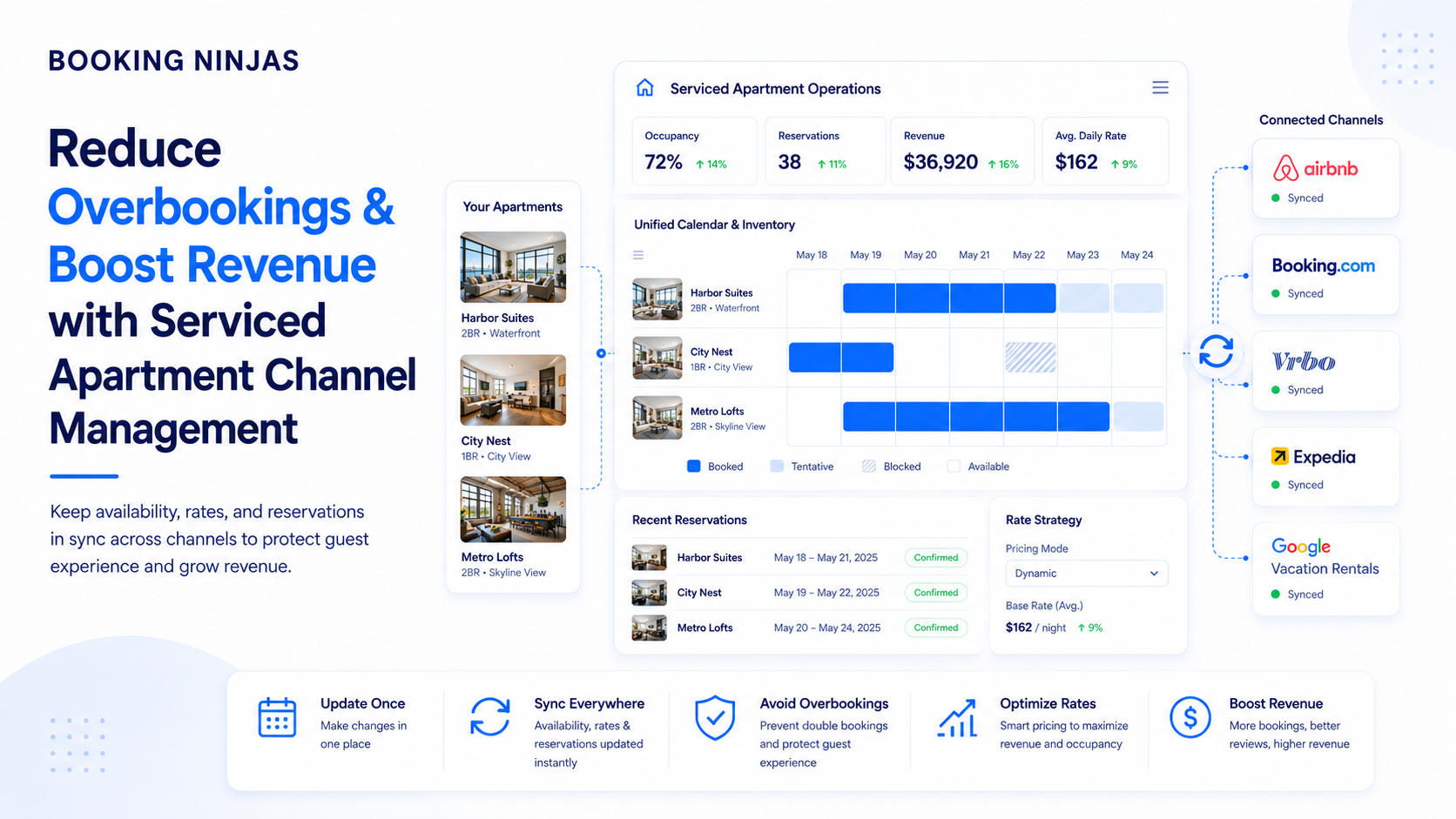
The important role of automation is to execute predictable processes. For example, a configured workflow might create an internal task, route an approval, update a status, or trigger an appropriate communication process when a known event occurs.
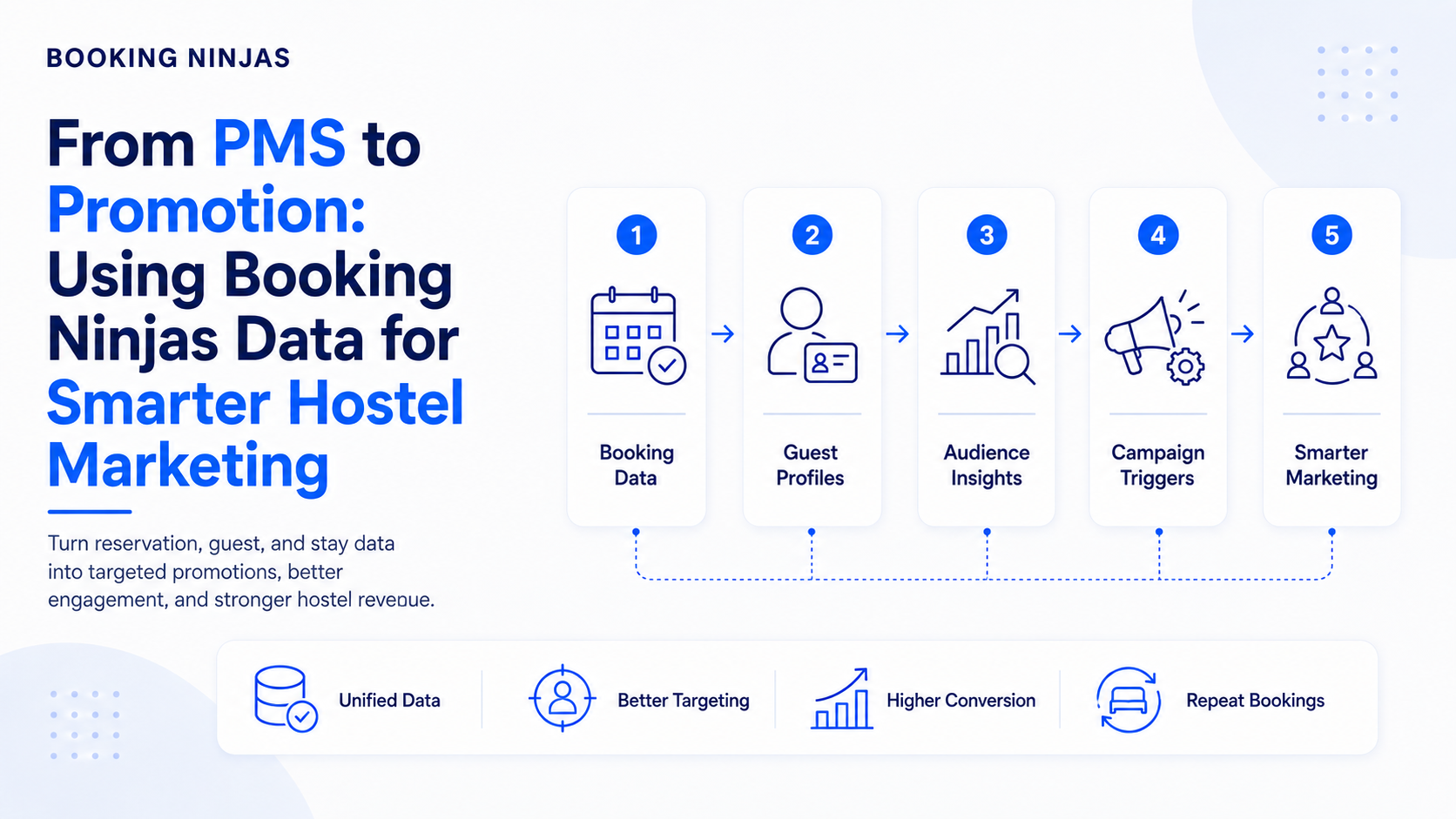
Dedicated marketing or communication systems can still handle campaigns where required. The objective is to make sure those tools receive the correct attendee and event context rather than relying on manually exported lists.
What changes once the event begins?
During an event, engagement becomes closely tied to operations. Attendees may need schedules, room information, support, access to services, changes to reservations, or help resolving issues.
Venue teams may simultaneously need visibility into spaces, staffing, schedules, facilities, payments, and other operational requirements.
This is why event engagement and venue management should not be treated as completely separate problems. The attendee experience depends partly on how effectively the operation behind the event responds.
Why should engagement continue after the event?
The end of an event should not erase the relationship that was built around it. Attendance, bookings, requests, payments, communication, and other relevant event history can become useful context for the next interaction.
This is particularly important for organizations that host recurring conferences, meetings, programs, member events, exhibitions, or venue bookings. Returning participants should not always have to start from an empty customer record.
When event and CRM information share a connected foundation, follow-up can be based on the actual relationship rather than only on a mailing list.
How does Booking Ninjas fit into event engagement?
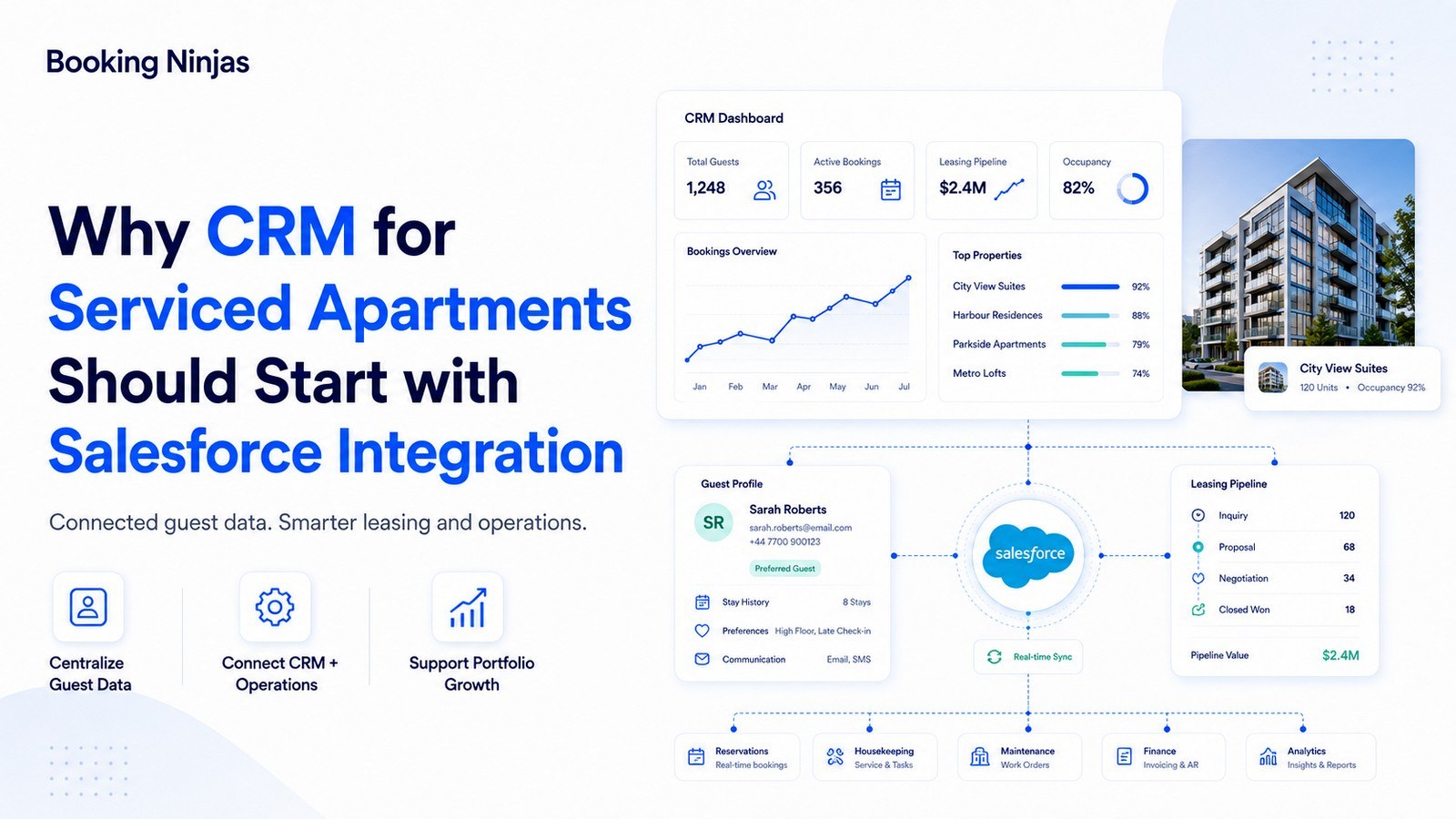
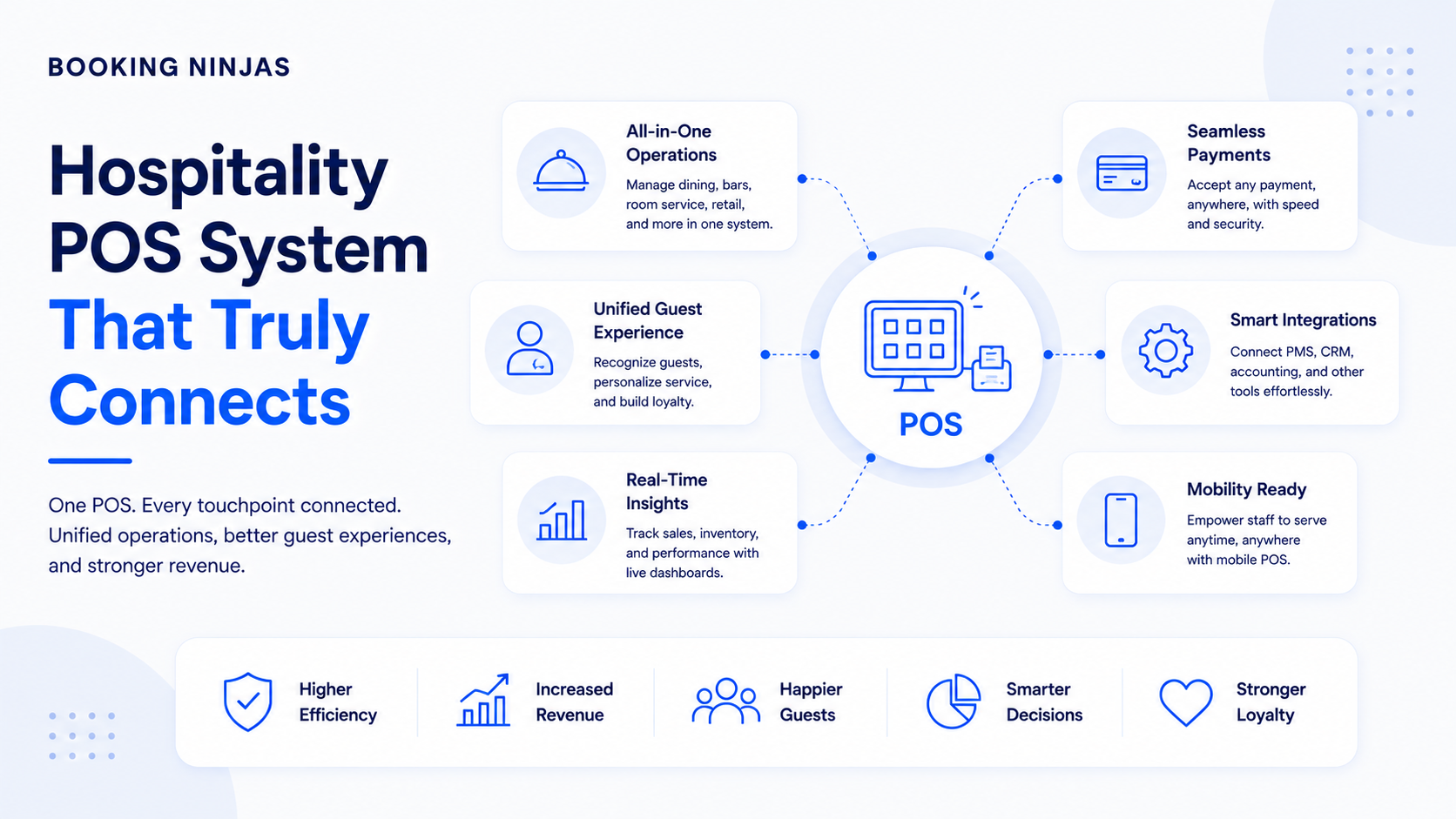
Booking Ninjas is a Salesforce-native platform for bookings and operations . For event and venue environments, that means customer and attendee records can stay closer to bookings, spaces, payments, requests, workflows, facilities, and other operational information.
Booking Ninjas does not need to replace every event application. Dedicated marketing, ticketing, live engagement, networking, streaming, or other specialized systems can remain part of the event technology stack where integration is the appropriate architecture.
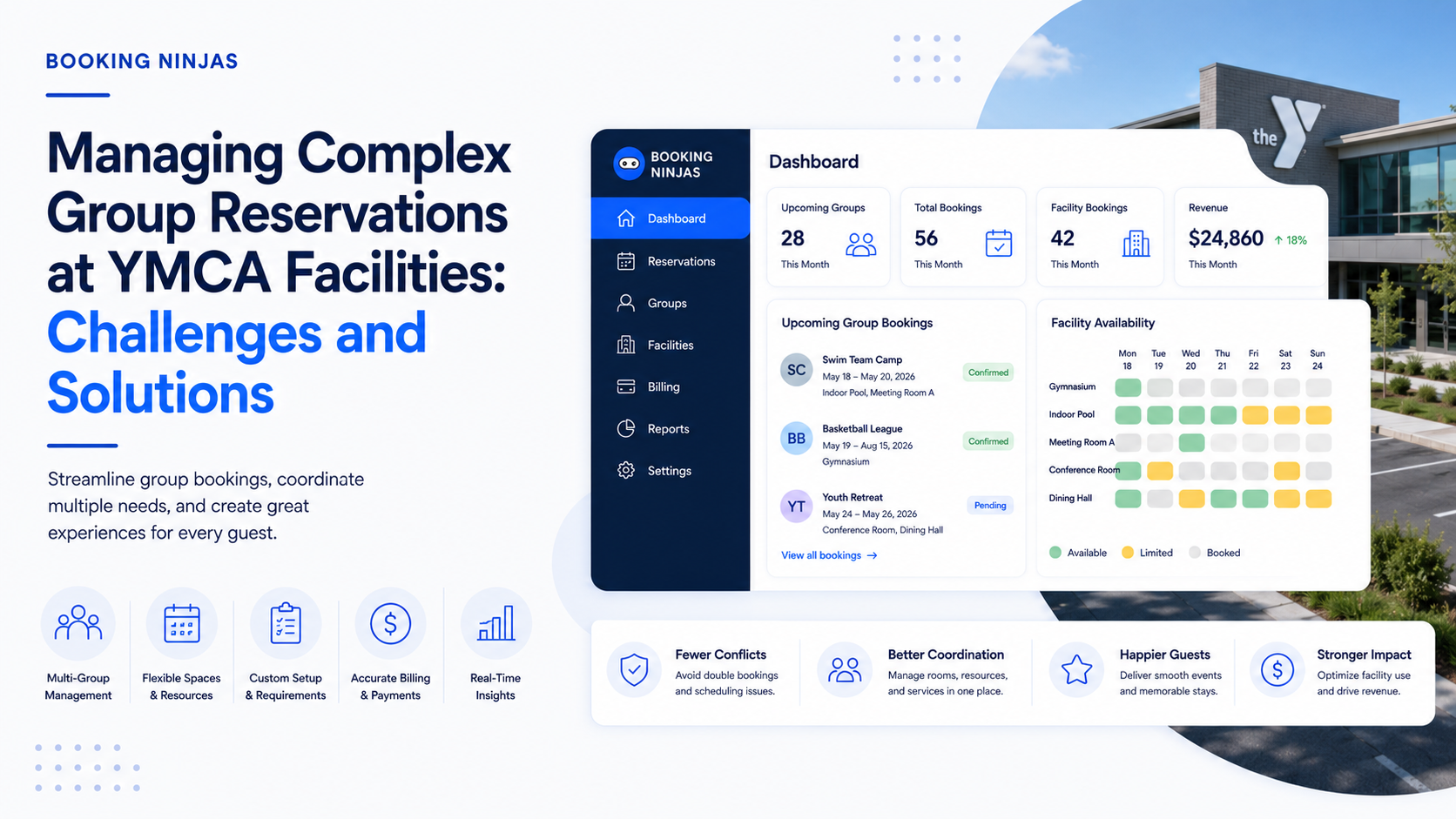
Connect event schedules, bookings, facilities, payments, and operational activity.
Explore Venue Management →Keep event and attendee reservations structured around the relevant customer and resource records.
Explore Reservation Management →Connect charges and payment activity to the event or booking that created them.
Explore Billing & Payment →Give incoming questions and operational needs ownership, status, and follow-up.
Explore Request Management →Keep external event, finance, marketing, and operational tools connected where they remain necessary.
Explore Integrations →Use connected records, permissions, workflows, reporting, and CRM context as the event operation evolves.
Explore Salesforce DNA →Frequently asked questions
What is attendee engagement technology?
Attendee engagement technology includes the systems and workflows used to support interactions with participants before, during, and after an event. This can include registration, communication, event operations, service requests, payments, live interaction, and follow-up.
Is event engagement only about live Q&A and polling?
No. Live interaction can be useful, but engagement also depends on how easily attendees can register, receive relevant information, navigate changes, access services, resolve issues, and continue the relationship after the event.
Does Booking Ninjas replace event marketing software?
Not necessarily. Booking Ninjas is a Salesforce-native bookings and operations platform. Dedicated marketing, ticketing, networking, streaming, or live engagement systems can remain part of the event technology stack where integration is appropriate.
How can Salesforce help connect event data?
A Salesforce-native operating platform can keep customer and attendee records connected with relevant bookings, payments, requests, workflows, reporting, and other operational activity. The exact setup depends on the event model and implementation.
Connect attendee engagement to the event operation
Bring customer records, registrations, bookings, payments, requests, workflows, venue operations, and connected event tools into a clearer operating model.