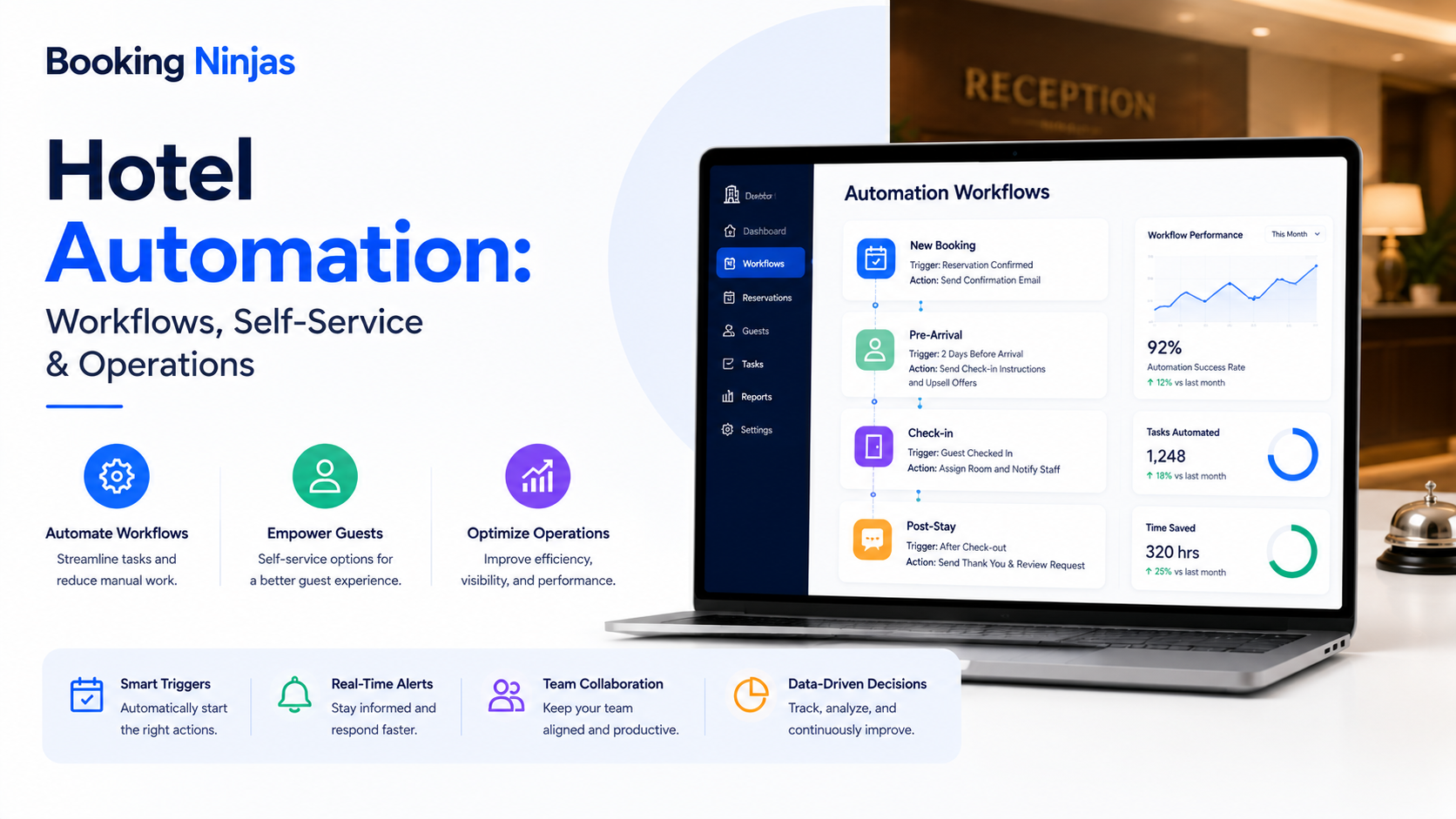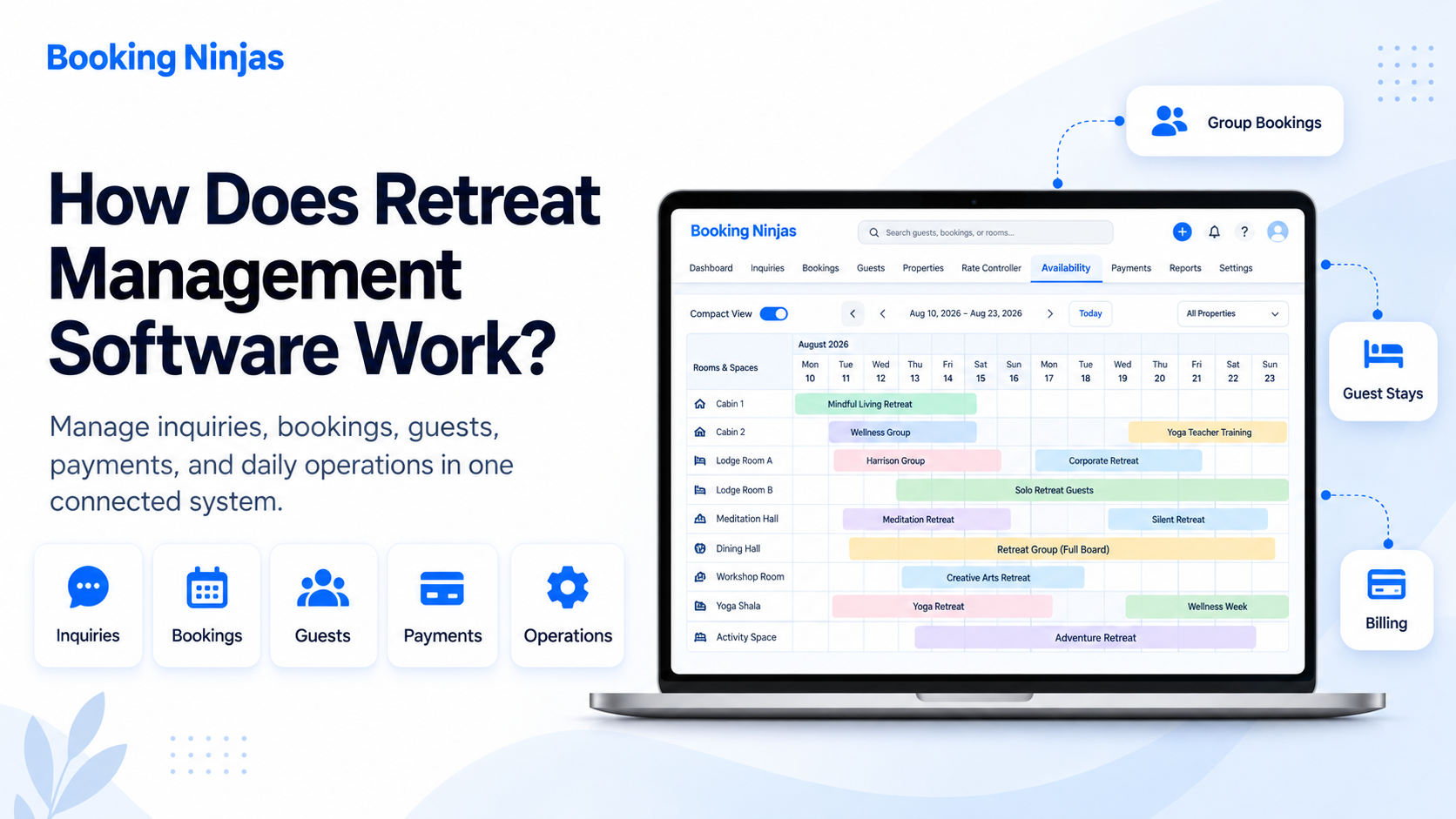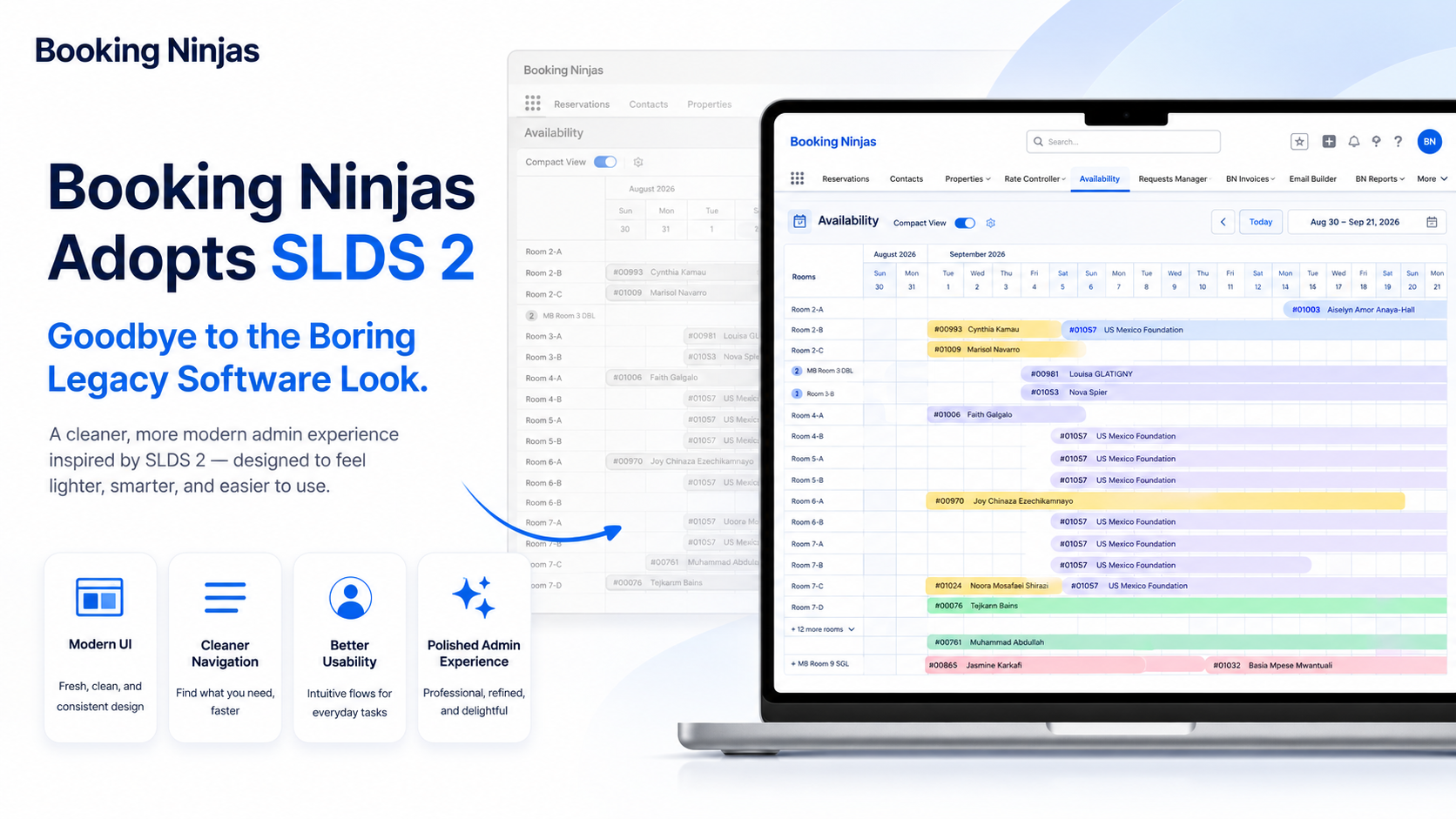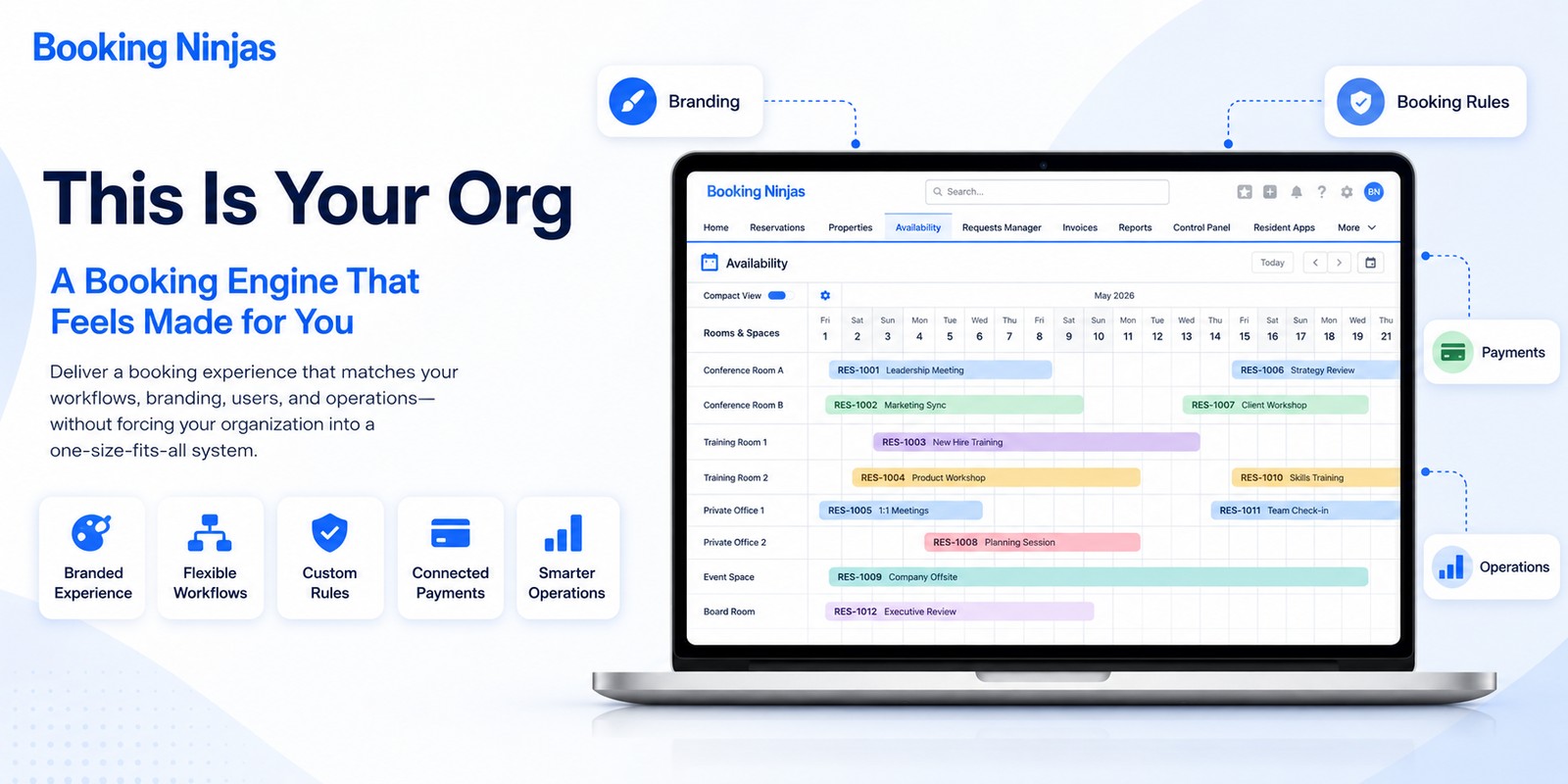
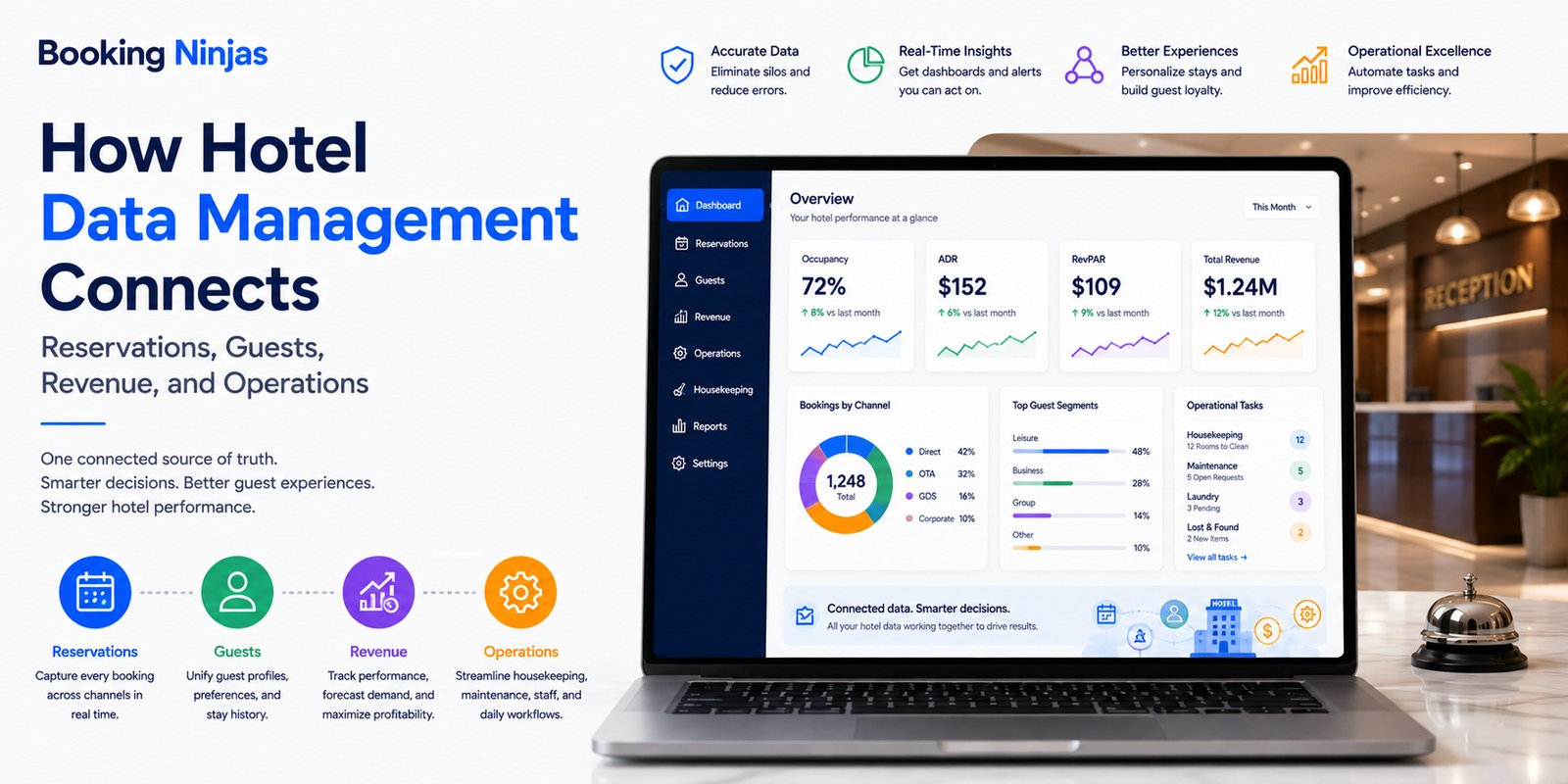
Hotel data management is the process of organizing, connecting, governing, and using the information generated by reservations, guests, rooms, rates, distribution channels, payments, and daily property operations.
That distinction matters. A hotel may have thousands of reservation, guest, payment, channel, and operational records without having a clear way to determine which information is reliable, how the records relate, what a metric actually means, or what action should follow.
What is hotel data management?
Hotel data management provides structure around the information a property generates during normal operations.
It includes more than storing records in a database. A useful data environment also needs to define:
- What each record represents
- Which system owns the record
- How records relate to one another
- Who can access or change information
- Which fields are required
- How information enters the system
- How changes are tracked
- How metrics are calculated
- How external systems participate
- What decisions the information supports
What types of data does a hotel need to connect?
| Data area | Examples | What it can help explain |
|---|---|---|
| Inventory | Properties, room types, rooms, capacity, operating status. | What the hotel actually has available to manage or sell. |
| Reservations | Booking date, stay dates, status, changes, cancellations, room, rate, source. | Booking behavior, future stays, changes, demand patterns. |
| Guests | Identity, contact information, stay history, configured preferences, requests, communication records. | The relationship between a person and their hotel activity. |
| Rates | Rate plans, date rules, room type, restrictions, discounts. | Which pricing rule applied to a reservation. |
| Distribution | Direct bookings, OTAs, reservation volume, channel revenue, inventory allocation. | Where reservations are coming from and how channels compare. |
| Financial | Charges, invoices, payments, refunds, balances, recorded revenue. | The financial activity connected with operations. |
| Operations | Housekeeping, requests, maintenance, inspections, tasks, status changes. | What work occurs around rooms, stays, guests, and facilities. |
| External | Marketing, accounting, ERP, BI, access, building, or other connected-system information. | Context that lives outside the core hotel application. |
How does hotel data become useful?
A reservation, payment, request, rate change, room event, or another operational activity is recorded.
The record is related to the relevant guest, room, property, channel, transaction, workflow, or reporting period.
Reports, metrics, comparisons, forecasts, or analysis help explain what the available information indicates.
A person or configured workflow makes a decision, performs an action, and creates new operational history.
Why does the system of record matter?
Hotels commonly use several systems. A PMS may manage reservations, an accounting system may own financial-ledger information, a payment processor may handle transactions, and another platform may manage marketing activity.
The objective should not be to copy every piece of information into every system.
For important data, determine:
- Which system creates the authoritative record?
- Which systems need a copy or reference?
- Which fields need to move?
- Which direction should data move?
- What event triggers the transfer?
- How frequently should it update?
- How are failures detected?
- Who owns reconciliation?
Clear ownership reduces the risk of teams making decisions from competing versions of the same reservation, customer, payment, or operational record.
What can hotels learn from reservation data?
Reservation data provides a historical and forward-looking view of booking activity.
Useful reservation fields can include:
- Booking date
- Arrival and departure
- Room or room type
- Rate plan
- Booking source
- Reservation status
- Modification history
- Cancellation activity
From structured reservation history, hotels can investigate measures such as booking pace, booking lead time, length of stay, cancellations, room-type demand, reservation-source mix, and future on-books activity.
Booking Ninjas' Reservation Management provides centralized reservation records connected with availability, policies, changes, cancellations, dashboards, and reporting.
How should hotels use distribution-channel data?
The number of reservations from one channel does not necessarily mean that guests “prefer” that channel or that the channel is the most valuable one.
A stronger analysis can compare:
- Reservation volume by channel
- Revenue by channel
- Room or inventory allocation
- Occupancy contribution
- Cancellation behavior
- Booking patterns
- Achieved rates
- Channel costs where reliable cost data exists
Booking Ninjas' Channel Manager connects supported distribution channels with rates, availability, reservations, and channel-performance reporting inside Salesforce.
How should hotels manage guest data?
Guest data can provide important context across reservations, payments, requests, communication, and previous stays.
But a hotel should not collect personal information simply because the system is capable of storing it.
Guest-data management should consider:
- Purpose of collection
- Required versus optional information
- Identity and duplicate records
- Communication preferences
- Appropriate permissions
- Access history where applicable
- Retention requirements
- Correction or deletion workflows where applicable
Booking Ninjas' Data Privacy provides structured consent records, communication preferences, role-based access controls, privacy-request workflows, and related governance tools inside Salesforce.
Organizations remain responsible for determining which legal, contractual, policy, and governance requirements apply to their particular use of guest information.
How should hotel data connect with marketing?
Marketing data and hotel operating data answer different questions.
Marketing platforms may track campaign activity such as visits, leads, messages, clicks, or conversions. Hotel systems record what eventually happens operationally, such as a reservation or stay.
When appropriate integrations and identifiers exist, the two datasets can be analyzed together to investigate questions such as:
- Which campaigns generated inquiries?
- Which inquiries became reservations?
- Which segments booked particular offers?
- Which channels generated repeat activity?
- Which communications resulted in measurable actions?
- Which campaigns produced activity but few bookings?
This should not be interpreted as permission to use every piece of guest data for marketing. Communication preferences and applicable privacy requirements still need to be respected.
How can hotel data support revenue decisions?
Data can help operators understand the conditions surrounding revenue performance, but it does not guarantee a particular pricing or profit outcome.
Analysis may connect:
- Availability
- Occupancy
- Reservation pace
- Room or product mix
- Rates
- Discounts
- Distribution source
- Revenue by segment
- Revenue by service or location
- Historical performance
Booking Ninjas' Revenue Optimization supports analysis of revenue drivers, pricing performance, segments, services, locations, historical trends, and forecasting information inside Salesforce.
Why should hotel data include operations, not only bookings and revenue?
A hotel is an operating environment. The commercial value of a room reservation is connected with the work required to prepare, deliver, maintain, and support the stay.
Operational information can include:
- Housekeeping status
- Room readiness
- Guest requests
- Maintenance work
- Inspections
- Staff assignments
- Escalations
- Completion history
Connecting these records with rooms, reservations, dates, and properties can help management investigate operational patterns that would be difficult to see from financial reporting alone.
Which hotel metrics are useful when the underlying data is connected?
| Metric or analysis | What it helps explain | Important context |
|---|---|---|
| Occupancy | Portion of defined available room inventory being occupied. | Requires consistent inventory and availability definitions. |
| ADR | Average room revenue associated with occupied rooms under the hotel's defined calculation. | Calculation basis should remain consistent across reports. |
| RevPAR | Room-revenue performance relative to available room inventory. | Does not by itself describe profitability. |
| Booking lead time | Time between reservation creation and arrival. | Can vary considerably by segment, channel, and stay type. |
| Length of stay | Number of nights associated with reservations. | Longer stays are not automatically more or less valuable. |
| Cancellation behavior | Patterns in reservations that do not ultimately become stays. | Status definitions and modification history matter. |
| Channel performance | Reservation and revenue activity by distribution source. | Commercial evaluation may also require channel-cost data. |
| Operational workload | Requests, maintenance, housekeeping, or other recorded work. | Volume alone does not measure service quality. |
What makes a hotel dashboard useful?
A dashboard should answer a defined operational or management question rather than simply display every available number.
Different teams may require different views:
- Front desk
- Reservations
- Housekeeping
- Maintenance
- Revenue management
- Finance
- Sales or marketing
- Property leadership
Booking Ninjas' Custom Dashboards supports configurable KPI views, role-based visibility, filtering, comparisons, trend visualization, and drill-down analysis inside Salesforce.
The organization still needs to define which metrics each role should see and how those metrics are calculated.
What can predictive analytics and AI do with hotel data?
Historical and current hotel data can support models that identify patterns or estimate future conditions.
Depending on the data and implementation, analysis can support:
- Demand forecasting
- Revenue forecasting
- Booking-pattern detection
- Anomaly identification
- Pricing analysis
- Operational-pattern analysis
- Risk identification
- Prioritization
Predictive analysis is not a statement of certainty. Future booking, revenue, or operational conditions can change because the market, guests, competitors, weather, events, transportation, and other variables can change.
What causes hotel data to become unreliable?
Analytics problems often begin before the dashboard or AI model.
Common data-quality problems include:
- Duplicate guest records
- Missing reservation fields
- Inconsistent room or rate naming
- Conflicting status definitions
- Stale external-system data
- Unmatched payment records
- Manual spreadsheet changes
- Unclear source-system ownership
- Different KPI definitions between departments
- Uncontrolled user access or editing
Data governance therefore needs to be part of hotel data management, not something added only when reporting problems appear.
Does all hotel data need to remain inside the PMS?
No.
Larger organizations may already have business-intelligence platforms, data warehouses, enterprise reporting tools, finance systems, or other specialized analytics environments.
The hotel platform can remain the operational source for relevant property activity while structured information is shared with other systems for broader analysis.
Booking Ninjas' Advanced Analytics & Reporting Integration supports connecting Salesforce property data with external analytics, BI, visualization, and enterprise data environments.
Exact data flows depend on the external platform, integration interface, mapping, security model, ownership rules, and implementation scope.
How should a hotel build a better data-management process?
- Start with the decision. Identify which operating or commercial questions management needs the data to answer.
- Map the records. Define the reservations, guests, rooms, rates, payments, operational activity, and external information required.
- Identify the system of record. Decide which platform owns each important data object.
- Connect the relationships. Establish how guests, reservations, rooms, properties, channels, transactions, and operational records relate.
- Improve data quality. Define required fields, statuses, naming conventions, ownership, and duplicate-management processes.
- Define governance. Determine permissions, communication preferences, privacy workflows, retention rules, and administrative responsibilities.
- Define each metric. Document the data source, calculation, reporting period, filters, and business meaning.
- Build reporting around roles. Give teams the information needed for their decisions instead of one universal dashboard.
- Connect insight to action. Determine which person or workflow is responsible when a report, alert, forecast, or exception requires follow-up.
- Review the result. Preserve what happened after the decision so future analysis has historical context.
How does Booking Ninjas connect hotel data?
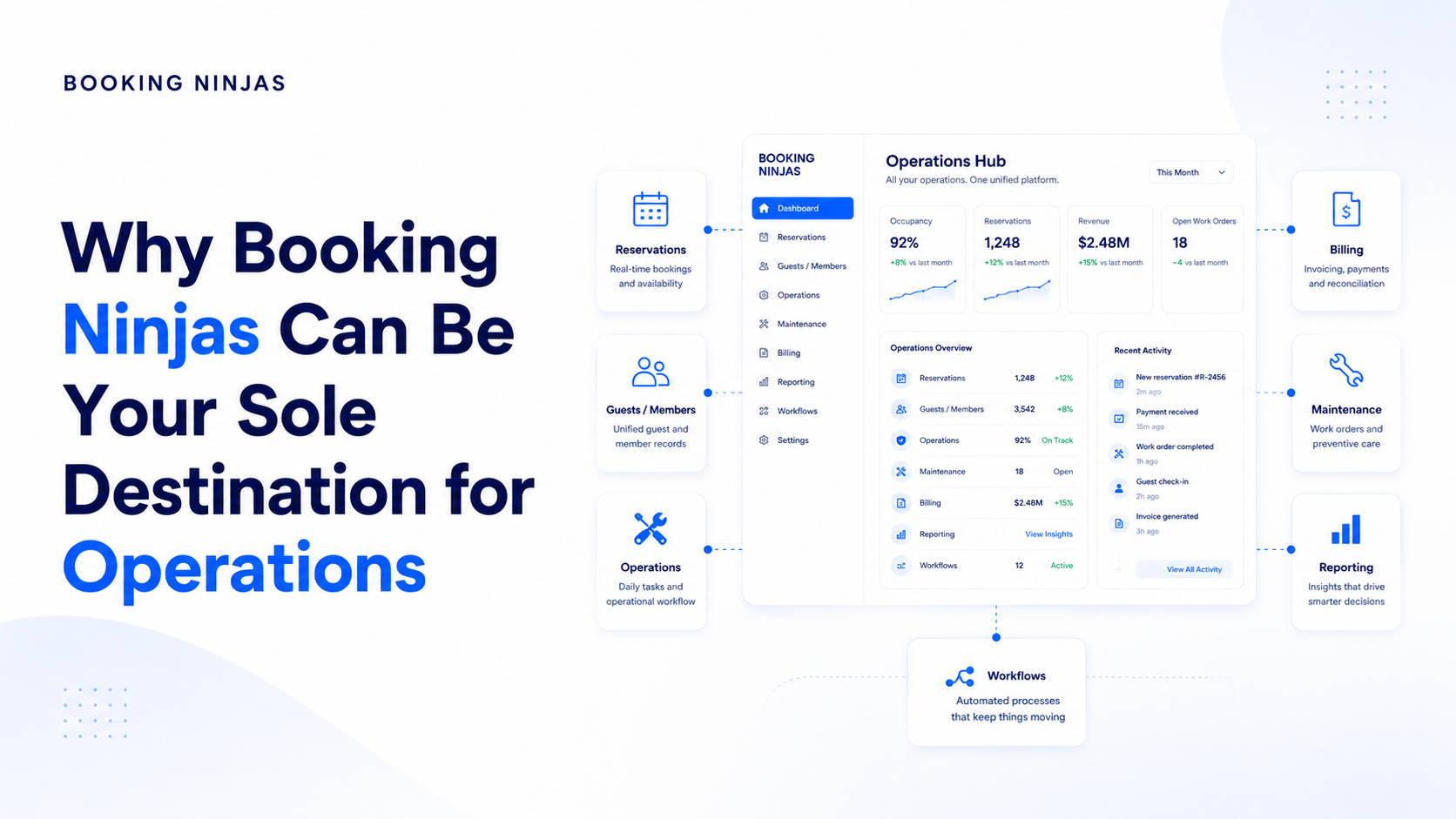
Booking Ninjas is a Salesforce-native platform for bookings and operations . Reservations, guests, distribution activity, payments, operational workflows, reporting, and integrations can therefore use the broader Salesforce data and workflow foundation according to the configured implementation.
The purpose is not simply to accumulate hotel data. It is to preserve the relationships between operational records so the same information can support workflows, reporting, analysis, and management decisions.
Connect rooms, reservations, guests, payments, daily operations, and reporting.
Explore Hotel Management →Maintain structured reservation history across creation, changes, cancellations, availability, policies, and reporting.
Explore Reservation Management →Connect supported distribution channels with rates, availability, reservations, and channel-performance data.
Explore Channel Manager →Connect financial, operational, customer, forecasting, and performance information for reporting and decision support.
Explore Insights →Build role-based KPI views, filters, trends, comparisons, and drill-down reporting.
Explore Custom Dashboards →Analyze revenue drivers, pricing performance, segments, services, locations, trends, and forecasting context.
Explore Revenue Optimization →Structure consent, communication preferences, permissions, privacy requests, and related governance workflows.
Explore Data Privacy →Connect property data with external analytics, BI, and enterprise data environments where required.
Explore Advanced Analytics & Reporting →Frequently asked questions
What is hotel data management?
Hotel data management is the process of organizing, connecting, governing, and using information generated by reservations, guests, rooms, rates, distribution channels, payments, and property operations so the information can support workflows, reporting, analysis, and decisions.
What types of data do hotels collect?
Hotels can generate inventory, availability, reservation, guest, rate, distribution, financial, housekeeping, request, maintenance, communication, and other operational data. External systems can contribute additional marketing, accounting, access, building, or analytics information.
Does collecting more hotel data increase revenue?
No. Collecting data does not by itself increase revenue. Data can support pricing, distribution, operational, marketing, and other decisions when it is reliable, correctly interpreted, connected with the appropriate context, and followed by an effective action.
How can reservation data help a hotel?
Reservation data can help hotels analyze booking pace, booking lead time, length of stay, cancellations, room-type demand, reservation sources, changes, and future on-books activity when the underlying reservation records are structured consistently.
How can hotels compare distribution channels?
Hotels can compare reservation volume, revenue, occupancy contribution, achieved rates, cancellations, inventory allocation, and other channel information. Commercial evaluation may also require reliable channel-cost data that is not contained in the reservation record itself.
Can AI predict hotel demand exactly?
No. AI and predictive analytics can use historical and current information to support forecasting, pattern detection, anomaly identification, and other analysis. Actual demand can still change because of market conditions and events that the model cannot know with certainty.
Does all hotel data need to stay inside the PMS?
No. Hotels can maintain operational records in the PMS while connecting relevant information with accounting, payment, marketing, business-intelligence, data-warehouse, access, and other external systems. Each integration should define data ownership, direction, mapping, security, and error handling.
Is Booking Ninjas built on Salesforce?
Yes. Booking Ninjas is Salesforce-native, allowing hotel reservations, guest records, operational workflows, reporting, permissions, automation, analytics, and integrations to use the broader Salesforce platform foundation.
Connect hotel data to the decisions behind it
See how Booking Ninjas can connect reservations, guests, distribution, revenue, daily operations, reporting, privacy workflows, and analytics within one Salesforce-native operating environment.