

The hotel industry is one of the business organizations that deal with fixed time-limited resources. Many have tried maximizing their yield through fixed resources like hotel rooms but didn’t work out in any way, and there must be a reason for the gross failure.
In today’s modern world, hospitality and tourism industries, to name a few, have been faced with an ever-changing customer landscape, even though seasonal opportunities like contingencies, events, etc. come and go.
Therefore, maximizing these fixed time-limited resources entails leveraging seasonal opportunities like these to maximize the hotel industry’s return, which can only be possible with a well-planned yield management strategy.
This article is centered on how yield management can help you maximize hotel business’s revenue, even if you are a beginner, and help you build a right, well-planned yield management strategy. But before we dive into the ocean, let us start from the basics!
What is Yield Management?

Yield management is a variable pricing strategy, which is widely and famously used by most hospitality industries, airlines, and other tourism-related fields to tweak perishable inventory, e.g., rooms, airline seats, etc. rates in accordance to the ever-changing factors like customer preferences, competitor prices, customer budget, and demand levels, for the sole purpose of maximizing yield.
In simple terms, yield management is a dynamic pricing strategy that involves selling the right room to the right guest, at the best possible time, at the right price, of course, to maximize yield.
Just like many would call yield management a ‘subset of revenue management,’ this strategy aims at finding the right balance between the demand and supply of a hotel’s fixed resources, rooms, or give exclusively right prices for these rooms to match a guest’s demands.
This pricing strategy is somewhat tug-of-war between quantity and price. It gives the hotel a reality check concerning the economic theory of demand and supply; the higher the room’s rates, the lower the number of rooms demanded.
This theory shouldn’t mean the rates should be too low, too, which is why yield management is employed to strike a balance between demand and supply to ensure maximum revenue for the business organization.
Elements of Hotel Yield Management

A successful pricing strategy must feature the following elements to maximize the hotel industry’s revenue effectively.
- Group room sales: This is one of the critical elements of yield management, and for a successful pricing strategy, there must be a strong understanding of group booking trends and requirements. Therefore, to understand the impact of group sales on general room revenue, enough data must be collected on group booking data and pace, anticipated group business, group booking lead time, and transient business displacement.
- Transient/FIT room sales: Transient rooms are the special types of rooms sold to Free Individual Travelers (FIT) by hotel management. Contrary to group business, the FIT room is booked by guests 1-3 weeks before their arrival. These kinds of rooms must be adequately maintained for maximum return.
- Food and Beverage (F&B) activity: Food and Beverages is a catering function that can significantly impact how much revenue is derived from these rooms. Therefore, proper attention must be paid to guests needing catering and room services to generate more profits.
- Local and area-wide activities: Local and area-wide activities like conference meetings, conventions, inauguration ceremonies, etc. have an enormous effect on the pricing strategy of the hotel industry. Therefore, to make the best out of these rooms, they must be offered to guests according to the demands.
- Special event: Hotel industries see reservations for spaces in or around the hotel premises for events like concerts, sports, festivals, and many more like these. These spaces are vital for the yield of any hotel business and must be paid adequate attention to maximize profit. One way to make most out of these spaces is to effectively control the discount rate, which would ultimately increase demand.
Beginners Guide for Yield Management

Having walked you through what yield management means and the critical elements that must be incorporated in the pricing strategy to make it a success for any hospitality professionals, here is a complete guide for people who are starting a hotel business from scratch, those looking to rebrand and make more money, and people that want to learn about how yield management is done for other purposes.
1. Practicing Dynamic Pricing
This is one of the five actionable strategies that we will discuss briefly in this article to grasp better how to practice yield management and significantly project your revenue potentials successfully.
Dynamic pricing is an effective strategy used in line with the economic theory of demand and supply. Here, flexible prices are allocated to rooms based on market demands, and as demand rises, so will the prices.
Now is the time to develop a plan for possible demands for rooms in the next 365 days. This anticipated demand is to help in planning daily room rates. Therefore, this segment must be executed well.
2. Setting Stay Restrictions
After establishing effective dynamic pricing, the next step is to employ a non-profit method, which features stay restrictions and controls. This measure helps immensely in maximizing revenue potentials by streamlining busy peak days. The two main stay restrictions used in the hospitality industry, mostly hotels, are Minimum Length of Stay (MinLOS) and Closed to Arrival (CTA).
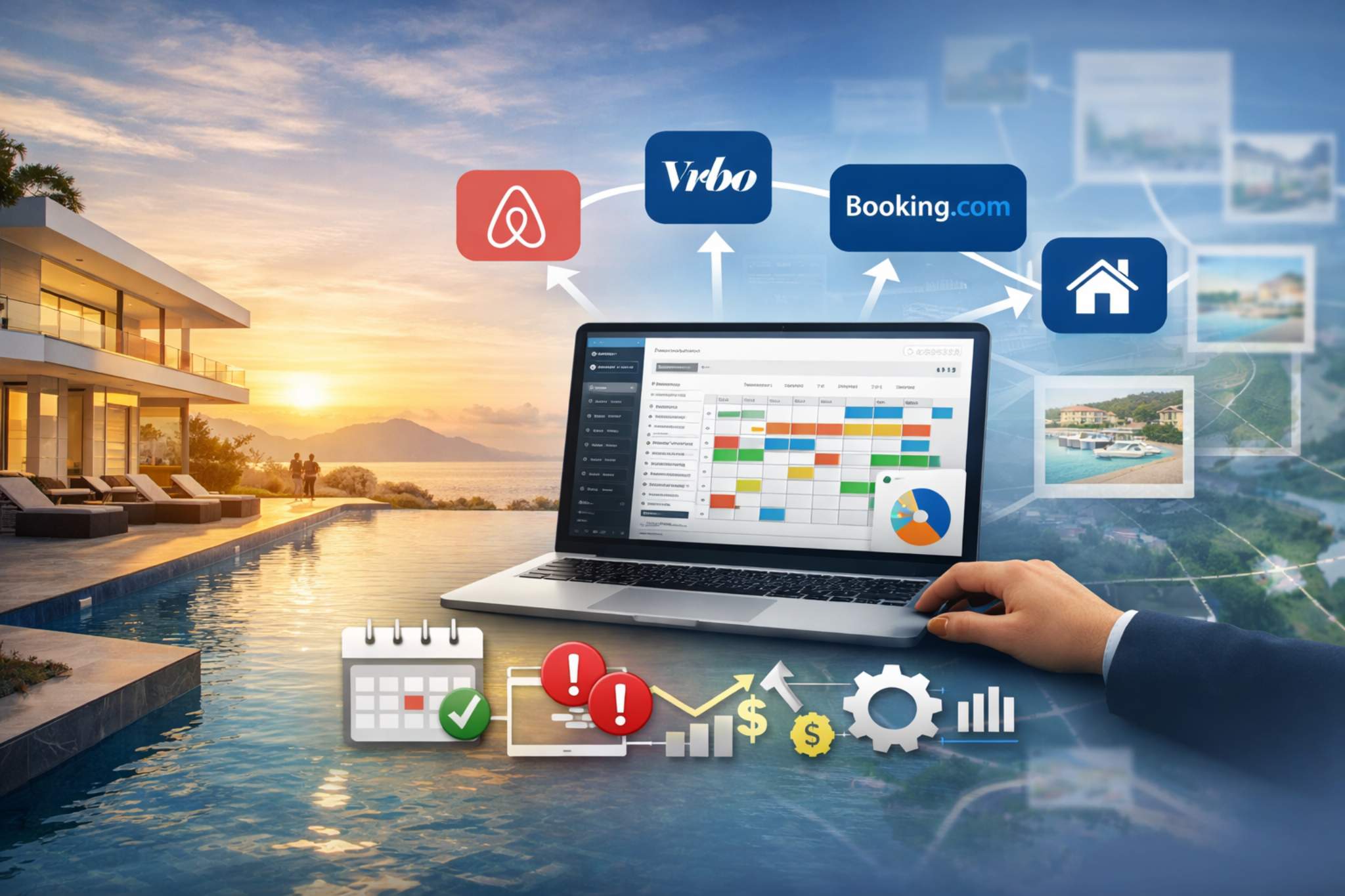
3. Managing Booking Channels
There are many booking channels used by most hospitality industries to make more revenue. These channels include opaque channels, walk-ins, direct bookings, online travel sites, corporate contracts, travel agencies, and lots more.
These booking channels’ significance is to make more revenue and set specific restrictions on some distribution channels with different profitability margins. Therefore, booking channels must be managed appropriately.
4. Overselling
Overselling or overbooking is an effective strategy used by hotel industries to offset the possible future cancellations and no-show. In other words, if you are expecting three cancellations and two no-shows, then you would have to overbook by five.
When properly implemented, this strategy prevents the stress of having to walk around guests at your hotel, thereby resulting in a noticeable increase in the establishment’s return. This measure is so easy that you do not need all the hospitality knowledge to execute effectively.
5. Managing Group and Corporate Business
After properly managing the booking channels, managing group and corporate business can be used to access their profitability. This part must be taken seriously to make yield management a success and ultimately achieve the primary goal of maximizing revenue.
Final Thoughts
Yield management is a pricing strategy that is not meant to expand occupancy but instead maximizes a hotel industry’s revenue. More so, yield management technologies can be employed to handle all these strategies effectively.
We hope this article helps you immensely, and if you ever need help to bolster your yield management strategy, you can contact us via our simplified, user-friendly website for a swift response.